Commercial Roofing Solutions for Businesses in NWA (Flat, TPO, Metal)
The right commercial roof depends on the building, the weather and how the space is used, and a maintenance plan keeps it working.
September 30, 2026 · 4 min read
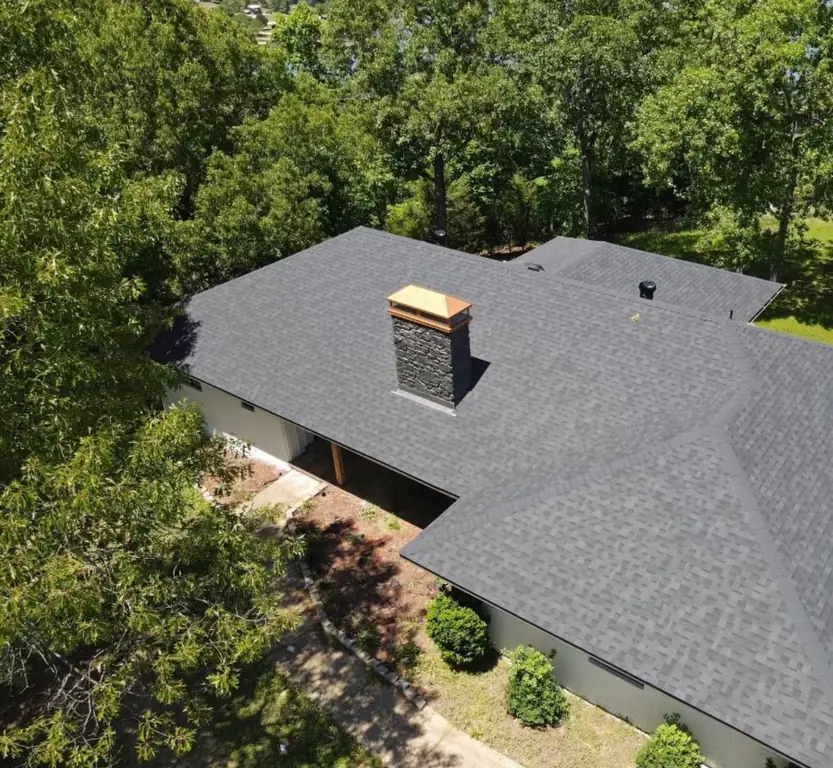
A commercial roof covers a lot more than the people underneath it. It protects inventory, equipment, records and the ability to open the doors tomorrow morning. When a roof fails over a warehouse or a retail floor, the cost is not only the repair. It is the stock that gets wet, the shifts that get cut short and the tenants who start asking questions. Choosing the right system, and looking after it, keeps those problems from arriving.
What roofing systems do commercial buildings use?
Most commercial roofs in Northwest Arkansas fall into a few families. Each has its own strengths, and the right choice depends on the building rather than on fashion.
- TPO. A single-ply membrane, usually light in color, with seams that are heat-welded into a continuous surface. It is a common choice on retail stores and office buildings with large, low-slope roofs.
- EPDM. A rubber membrane supplied in large sheets, which keeps the number of seams down. It handles foot traffic and rooftop equipment well and is easy to patch.
- Modified bitumen. Asphalt-based sheets reinforced for strength and applied in layers, a good fit for roofs that see regular traffic from service technicians.
- Built-up roofs. Alternating layers of reinforcing fabric and bitumen finished with a protective surface, a long-established approach with a track record on industrial buildings.
- Metal. Panels that shed water quickly and resist the weather, well suited to sloped roofs and to warehouses and industrial facilities.
- Coatings. A fluid-applied layer that can protect and refresh an existing roof whose base is still sound, often a smart way to extend a roof before replacement is needed.
How do flat roofs handle Northwest Arkansas weather?
A flat roof is rarely truly flat. It carries a slight slope toward drains, scuppers or gutters, and everything about its performance depends on water leaving quickly. Heavy spring rain will find any low spot. Water that sits on a membrane long after a storm has passed, known as ponding, stresses seams and speeds up wear.
Summer sun heats the surface hard, and the membrane expands and contracts as temperatures swing between day and night. Wind pulls at edges and corners, so how the perimeter is fastened matters as much as the field of the roof. Hail can bruise or puncture a membrane, and it can dent metal panels. Whether cosmetic dents matter depends on the building and on how the owner wants the roof to look, which is a question worth settling before installation.
How do you choose between TPO, metal and the other systems?
Start with the building itself. Roof shape and slope narrow the field quickly, since metal panels want pitch and membranes want a nearly level deck. Next comes use. A roof with rooftop units that technicians visit every month needs a tougher surface than one that nobody steps on. Consider what is under the roof as well. A distribution center full of goods that cannot get wet calls for a different level of caution than a storage building.
Then look at the roof you already have. Sometimes a full replacement is the answer. Other times a repair, a coating or a partial re-roof buys years of service at far less disruption. An honest inspection separates those cases, and that is why the walk-through comes before the recommendation.
What are the signs a commercial roof needs attention?
Owners and property managers can spot trouble from the ground and from inside the building. Leave the walking to a roofer, since flat roofs hide soft spots, open drains and unmarked edges. Watch for these signals.
- Stained or sagging ceiling tiles, or a damp smell in a corner of the building.
- Ponding water that lingers long after the rain has stopped.
- Seams that lift, blisters in the membrane, or cracking around rooftop curbs and vents.
- Rust, loose panels or exposed fasteners on a metal roof.
- Repeated repairs in the same area, which usually means the cause has not been found.
- Debris packed around drains, or gutters and downspouts that overflow.
Why do maintenance plans matter for a business?
A commercial roof is an asset with a schedule, and a maintenance plan is how that schedule stays under control. A typical plan brings a roofer on site in spring and fall and after major storms to clear drains, check seams and flashing, reseal penetrations where equipment passes through the roof, and log small repairs before they grow. The written record also helps with budgeting, because replacement can be planned instead of forced on the owner by a failure.
Emergencies still happen, and a leak over an active floor cannot wait for business hours. Iron Shield offers 24/7 emergency response for commercial roofs, along with flat roof installations, roof coatings and maintenance plans for warehouses, retail stores, office buildings and industrial facilities.
If you are weighing a new roof, a repair or a maintenance plan for a building in Northwest Arkansas, call Iron Shield at (479) 337-4766. Estimates are free, and Iron Shield is licensed and insured.
Iron Shield Roofing & Restoration, (479) 337-4766
Call (479) 337-4766More articles
How to Inspect Your Roof for Winter Damage
You can spot most winter roof damage without leaving the ground, if you know what to look for and where.
Step-by-Step Guide to Preventing Ice Dams on Your Roof
Most ice dams trace back to heat escaping into the attic, which means the best fixes happen inside the house.