How to Inspect Your Roof for Winter Damage
You can spot most winter roof damage without leaving the ground, if you know what to look for and where.
September 30, 2026 · 4 min read
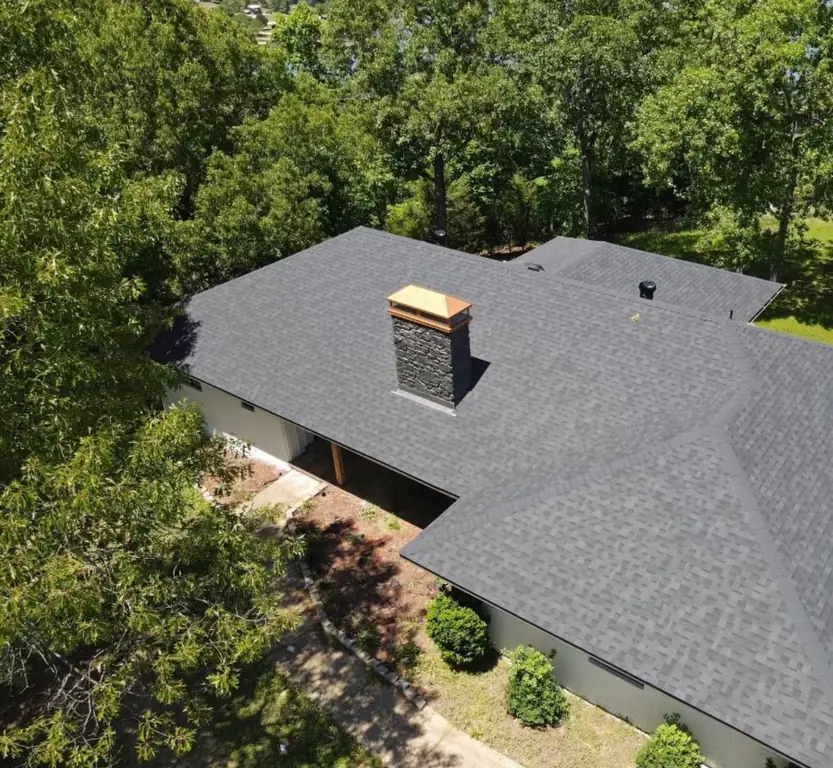
A roof does most of its work out of sight. Through winter it takes freeze and thaw cycles, wind, sleet and the weight of wet snow, and the first sign that something gave way is often a stain on a ceiling weeks later. A careful look after a cold spell or a storm catches problems while they are still small. You can do nearly all of it with your feet on the ground.
Why does winter damage roofs?
Water is the culprit in most cases. It works into small gaps, freezes, and expands, which pries at shingle edges, sealant and flashing joints. When temperatures climb again the ice melts and the gap is a little wider than before. Northwest Arkansas swings above and below freezing often enough in winter that this cycle can repeat many times in a single season. Wind adds to it by lifting loose shingle tabs, and ice or heavy snow can strain gutters and roof edges.
Cold also makes roofing materials stiffer, so an older shingle that flexed easily in July can crack in January. None of this means a roof is failing. It means late winter is a good time to look, before spring rain finds whatever the cold started.
What can you see from the ground?
Stand back far enough to see each roof plane, and walk all the way around the house. Binoculars help a great deal. Do not climb a ladder onto the roof or walk on it, especially when it is cold or wet. Ice is nearly invisible on a slope, and a fall costs far more than any repair. Here is what to look for:
- Shingles that are missing, curled at the edges, cracked or lifted, and bare patches where the surface granules have washed away
- Dark streaks or spots that look different from the shingles around them
- Dips, sags or waves in the roofline, which can point to trapped moisture or a problem in the structure underneath
- Branches or other debris on the roof, and limbs hanging over it that could scrape the surface in the wind
- Metal flashing around chimneys, vents and skylights that looks bent, loose or pulled away
- Pieces of shingle or loose granules in flower beds or on the ground below the eaves
What should you check in the attic and on your ceilings?
The attic tells you what the roof surface cannot. With a flashlight, look at the underside of the roof deck and around every pipe or vent that passes through it. Dark stains, damp insulation, a musty smell, or daylight showing through the boards all mean water or air is getting where it should not. Frost on the underside of the deck on a cold morning is worth noting too, since it usually means warm, moist air from the house is escaping upward.
Then look at your ceilings and the tops of exterior walls inside the house. Brown rings, peeling paint, bubbling, or a patch that stays soft long after it should have dried are all leak signs. Water often travels along a rafter before it drips, so the stain may not sit directly under the damaged spot. Photograph anything you find, with the date, because those pictures help later if you need to describe the problem to a contractor or an insurer.
What about gutters, flashing and roof edges?
Gutters carry meltwater away from the roof edge and the walls. From the ground, check for sections pulling away from the fascia board, sagging runs, standing water, or ice still hanging from the gutter after the rest of the roof has cleared. Downspouts should be attached and should empty well away from the foundation. Heavy ice can bend gutters and loosen their fasteners, and a gutter that no longer drains can push water back under the first row of shingles.
Flashing is the thin metal and sealant that closes the joints around chimneys, walls, vents and valleys. It is one of the most common places for a winter leak to start, because those joints move as materials expand and contract. Binoculars will show you lifted edges, gaps, and sealant that has cracked or shrunk.
How do you tell a small repair from a bigger problem?
A few lifted shingles, a loose piece of flashing or a stretch of gutter that needs to be re-hung are usually repairs, and they are best handled promptly. Signs of something larger include stains that spread or come back after drying, sagging in the roof deck, daylight in the attic, many cracked or missing shingles across one slope, and leaks in more than one room. Age matters too, since an older roof tends to show damage sooner and more widely. You do not have to decide this yourself. A professional inspection will say which category you are in.
One more note. If a storm just passed and you see damage, take photos before anyone touches anything and keep receipts for any temporary protection. Whether the damage is covered depends on your policy, and the insurer makes that decision.
When should you call Iron Shield?
Call Iron Shield at (479) 337-4766 if you find missing shingles, a ceiling stain, damaged flashing, or anything you are unsure about. Iron Shield is licensed and insured, works from its Springdale office across Northwest Arkansas, answers emergency calls around the clock, and offers free estimates. It can also help with insurance claims.
Iron Shield Roofing & Restoration, (479) 337-4766
Call (479) 337-4766More articles
Step-by-Step Guide to Preventing Ice Dams on Your Roof
Most ice dams trace back to heat escaping into the attic, which means the best fixes happen inside the house.
How Cold Weather Affects Your Roof: What Every Homeowner Should Know
Cold rarely wrecks a roof in one night, but it wears on shingles, seams and flashing all season long.