Common Roofing Problems and How to Fix Them Early
Most roof damage begins as a small opening that water finds on the next storm, and the cheapest time to deal with it is right away.
September 30, 2026 · 4 min read
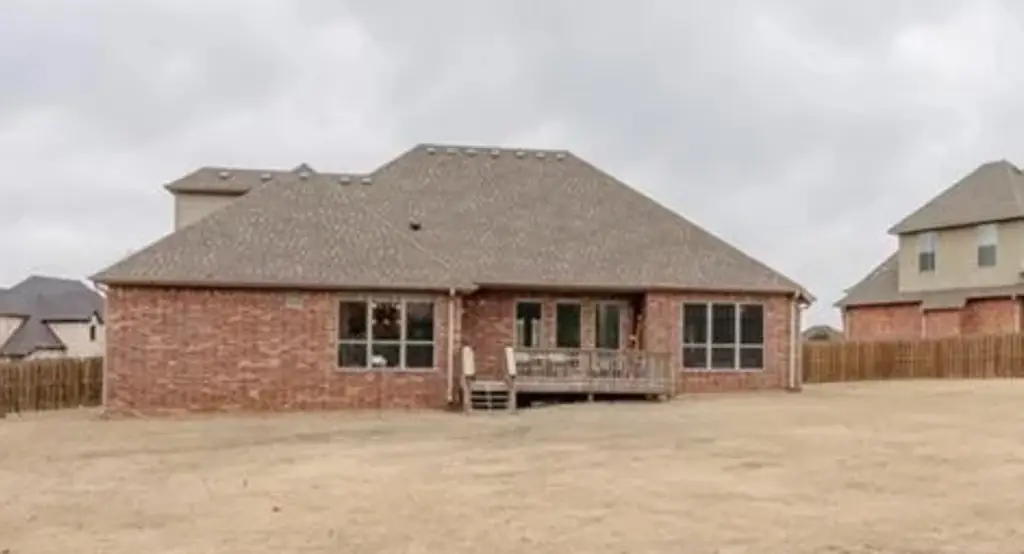
Most roof failures do not start with a dramatic collapse. They start with a small opening: a lifted shingle, a dried-out bead of sealant, a gutter that no longer drains. Water finds that opening on the next storm and does its work quietly, in the decking and insulation where nobody is looking. Catching a problem while it is still small is the difference between a repair visit and a much larger project.
What roofing problems show up most often?
Leaks are the problem everyone notices, but a leak is usually the last symptom rather than the first. By the time a stain spreads across a ceiling, water has typically been getting past the roof surface for a while. The cause is nearly always one of a handful of things.
- Damaged or missing shingles. Wind, hail and age crack, curl or lift shingles, which exposes the underlayment and nail heads beneath them.
- Failed flashing. The metal and sealed joints around chimneys, vent pipes, skylights and wall intersections are the most common leak points on any roof.
- Poor attic ventilation. Trapped heat and moisture age the roof from underneath and can leave damp insulation and stained decking.
- Clogged gutters and poor drainage. Water that cannot leave the roof edge backs up under the first courses of roofing and soaks the fascia board.
- Moss, algae and mold. Growth holds moisture against the surface, especially on shaded slopes under trees.
- Sagging or uneven roof lines. A dip along the ridge or a slope that looks wavy points to a structural or moisture problem that needs a professional right away.
How can you check your roof without climbing on it?
You do not need a ladder, and you should never walk a roof yourself. Wet shingles, steep pitches and loose granules make a fall easy, and footsteps can damage brittle roofing. Most early warning signs are visible from the ground or from inside the house.
Walk around the house after a storm with a pair of binoculars. Look for shingles that are missing, cracked, curled at the edges or a different color than their neighbors. Check that the flashing around the chimney and vent pipes lies flat and is not pulling away. Look at the gutters for sagging sections, standing water and the sandy granules that wash off worn shingles and collect at the downspout.
Then go inside. Take a flashlight into the attic and look at the underside of the roof deck for dark stains, damp insulation, daylight where there should be none, or a musty smell. Check upstairs ceilings and the walls near exterior corners for faint yellow or brown rings. A stain that grows after each rain is an active leak.
Which problems can wait, and which cannot?
A few loose or missing shingles after a windstorm deserve attention within days, not weeks, because every exposed nail head and patch of bare underlayment is a way in for the next rain. Light moss on a shaded slope can be scheduled for a maintenance visit. A wet attic, a soft spot in a ceiling, or a roof line that has started to sag is different. Those are urgent, and the right first step is to protect the interior and call a roofer.
A tarp or temporary cover can hold a bad spot through a storm, but it is not a repair. A roof works as a system, and a patch that ignores the reason the water got in will fail again in the same place.
How do you keep small problems small?
A few regular habits catch most trouble early. Clear the gutters and downspouts in spring and again after the leaves drop, and make sure the downspouts carry water well away from the foundation. Trim branches that hang over the roof so they cannot scrape the surface or drop limbs in a storm. Watch attic ventilation too, since intake and exhaust vents blocked by insulation or debris let heat and moisture build up.
It also helps to schedule a professional inspection on a regular rhythm and after any major hail or wind event. A trained roofer sees what a ground-level look cannot: lifted seams, worn sealant, granule loss and fasteners that have backed out. Photos from each visit give you a record of how the roof is aging, which is useful when you plan repairs and when you talk with an adjuster after storm damage.
When should you bring in a roofer?
Call a roofer for any leak that returns after a repair, any sagging, damage spread across a broad area, or trouble around flashing and ventilation, where the right fix depends on how several parts fit together. If storm damage is involved, photograph what you can see from the ground and keep the dates. Coverage depends on your policy and the insurer makes the decision, but a roofer can document the damage and explain the repairs it calls for.
Iron Shield handles roof inspections, repairs and replacements across Northwest Arkansas, and helps with insurance claims. Call (479) 337-4766 when something looks wrong. Estimates are free, and Iron Shield is licensed and insured.
Iron Shield Roofing & Restoration, (479) 337-4766
Call (479) 337-4766More articles
How to Inspect Your Roof for Winter Damage
You can spot most winter roof damage without leaving the ground, if you know what to look for and where.
Step-by-Step Guide to Preventing Ice Dams on Your Roof
Most ice dams trace back to heat escaping into the attic, which means the best fixes happen inside the house.