How Cold Weather Affects Your Roof: What Every Homeowner Should Know
Cold rarely wrecks a roof in one night, but it wears on shingles, seams and flashing all season long.
September 30, 2026 · 4 min read
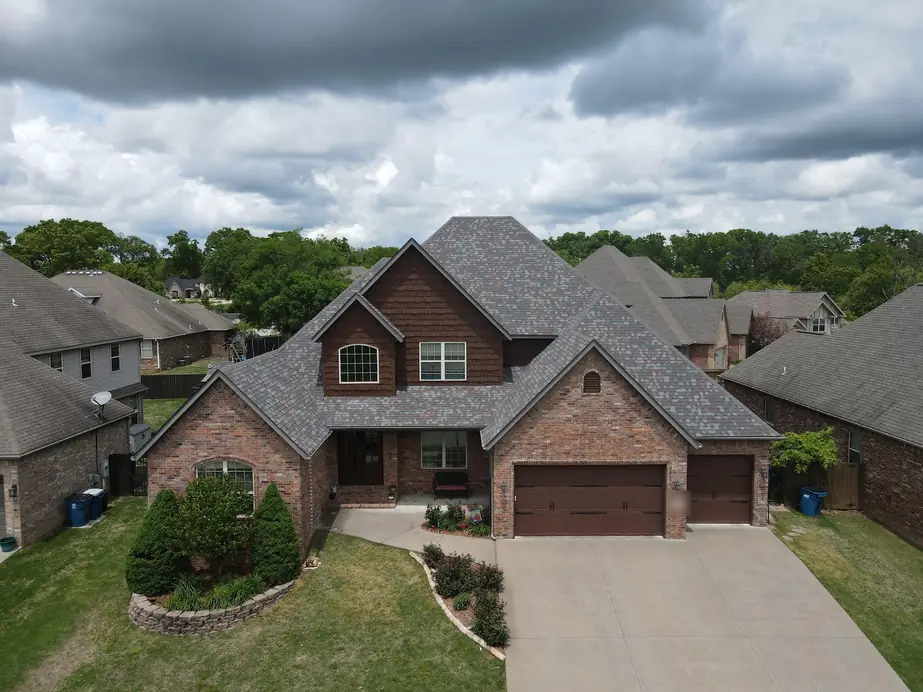
Roofs are built to live outdoors, but cold weather puts them under a different kind of stress than summer sun or spring storms. Nothing dramatic has to happen. Small movements, trapped moisture and slow wear add up, and by the time a leak shows itself the cause has often been working for weeks. Knowing what cold does to a roof helps you spot trouble early and decide what can wait.
How does cold weather physically affect a roof?
Every roofing material expands a little when it warms and contracts when it cools. In winter the contraction is the story. Shingles stiffen and become less forgiving, the sealant strips that hold shingle tabs down can lose their grip, and metal parts such as flashing pull at their fasteners. A roof that was flexible in summer can crack under a hard gust or a falling branch in January.
Moisture makes it worse. Water that slips into a crack freezes, expands and forces the gap open a little more. Snow adds weight, and the meltwater it makes has to go somewhere. If it cannot drain, it looks for another way in.
Why do temperature swings matter in Northwest Arkansas?
Steady cold is easier on a roof than a pattern of freeze, thaw and freeze again. Northwest Arkansas often has winter days that climb above freezing followed by nights that drop back below it, so the same patch of roof can go through many cycles in one season. Each cycle moves materials and water, and each one is a chance for a marginal seam or a worn shingle to give up.
Ice storms are a separate hazard. A glaze of ice adds weight to gutters and roof edges, and limbs coated in ice can come down hard on shingles. After any ice storm, look at the roof and at the trees around it.
Which problems show up most in winter?
- Cracked or curled shingles, especially on older roofs where the material has lost its flexibility
- Loose or lifted flashing around chimneys, vents and skylights
- Ice dams at the eaves that push meltwater under the shingles
- Damaged or detached gutters after a load of ice and snow
- Condensation and mold in the attic when warm, moist air from the house meets a cold roof deck
- Wind damage, including missing shingles, after fast-moving winter fronts
Attic moisture deserves its own mention because it is the problem homeowners see least. Warm air from showers, cooking and laundry rises into the attic, and when it meets a cold roof deck it condenses. The result can be damp insulation, stained wood and mold, with no hole in the roof at all. Poor ventilation and gaps in the ceiling below are the usual reasons.
Do different roof types react differently?
They do. Asphalt shingles, the most common residential covering, can turn brittle in the cold and crack more easily when struck or flexed. Metal roofing sheds snow and ice readily, which is a benefit, but panels expand and contract with temperature, so fasteners and seams are worth checking. Flat and low-slope roofs, common on commercial buildings, drain slowly, so standing water and ice on the surface and around drains can be a concern. On every type, the penetrations and flashing are the weak points.
The age and condition of the roof matter as much as the material. A newer roof in good repair copes with a winter well. An older one has less in reserve, and cold exposes whatever was already worn.
What can you do before and during a cold spell?
In the fall, clear the gutters, trim branches that hang over the roof, and have loose shingles and flashing repaired. During cold weather, look at the roof from the ground after each storm, and watch your ceilings and attic for stains and damp spots. Keep dated photos of anything unusual. Stay off the roof itself. Cold makes every surface slick, and nothing you might find up there is worth a fall.
Insulation and ventilation in the attic do more for a roof in winter than most people expect. They keep the roof deck cold and dry, which reduces ice dams, condensation and uneven melting. Signs to act on include water stains that grow, daylight through the attic boards, shingle pieces in the yard, sagging gutters, and ice building along the eaves.
When should you call Iron Shield?
Call Iron Shield at (479) 337-4766 after a hard freeze or storm if you see any of those signs, or if you would like a professional to look over the roof before the next cold spell. Estimates are free, emergency response is available 24/7, and Iron Shield is licensed and insured. The office is in Springdale, and the service area covers Northwest Arkansas.
Iron Shield Roofing & Restoration, (479) 337-4766
Call (479) 337-4766More articles
How to Inspect Your Roof for Winter Damage
You can spot most winter roof damage without leaving the ground, if you know what to look for and where.
Step-by-Step Guide to Preventing Ice Dams on Your Roof
Most ice dams trace back to heat escaping into the attic, which means the best fixes happen inside the house.