How to Tell If Your Roof Needs Repair or Full Replacement
A few honest signs, all checked without leaving the ground, will tell you whether a repair is enough or the whole roof is done.
September 30, 2026 · 3 min read
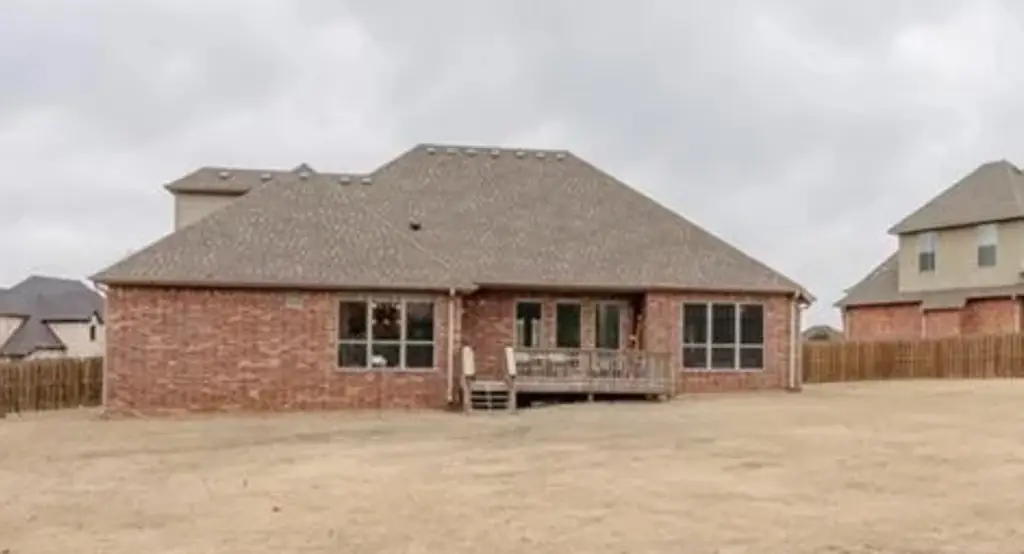
A stain on the ceiling or a shingle in the yard sends most homeowners straight to one question: fix it or start over? The answer depends on how widespread the trouble is, how old the roof is, and what is going on underneath the surface. You can gather most of the evidence yourself without ever setting foot on the roof, and the rest is easier to sort out once a professional has looked closely.
How can you check your roof safely?
Stay on the ground. Walk around the house on a clear day and look at each slope with binoculars. A roof is slick, steep and unforgiving, and even experienced people fall. Everything below can be done from the yard, from a window or from the attic.
Inside, take a flashlight into the attic on a bright afternoon. Daylight showing through the roof boards means there are gaps. Dark streaks on the underside of the deck, damp insulation, or a musty smell point to moisture getting in. Then look at the ceilings on the top floor for brown rings, peeling paint or bubbling drywall.
What signs point toward a repair?
Repairs make sense when the problem is limited and the rest of the roof is sound. A few missing or lifted shingles after a windstorm, a cracked boot around a vent pipe, or a bit of loose flashing at a chimney are all common, fixable issues. The surrounding shingles should still lie flat, hold their color and show granules across the surface.
- A small number of damaged, curled or missing shingles in one area
- A single leak traced to a vent, flashing joint or valley
- A roof that is otherwise flat, even and in good shape
- Damage from one recent event, with no history of similar leaks
A repair on a healthy roof is often the smartest move. It solves the problem and leaves the rest of the roofing to keep doing its job.
What signs point toward replacement?
Replacement enters the conversation when trouble is spread across the roof instead of gathered in one spot. Look for shingles that curl at the edges or cup in the middle, bald patches where granules have washed off, and cracking or brittle tabs. Check the gutters and the ground below the downspouts: heavy piles of granules mean the shingles are shedding the surface that shields them from the sun.
Sagging is more serious. A dip or wave in the roofline can mean the deck or the framing has taken on water for a long time. Leaks that return after patching, stains in several rooms, and daylight in the attic all suggest the system as a whole is wearing out. Patching a roof in that condition tends to become a repeating expense.
Age matters too. If you do not know when your roof was installed, check your home records or ask the previous owner. A roof at the end of its working life can still look tolerable from the street while failing underneath.
Does storm damage change the decision?
It can. Northwest Arkansas roofs take hail, wind and heavy rain, and the damage is not always obvious from the driveway. Hail can bruise shingles and knock granules loose without leaving a visible hole, while wind can lift the edges of a whole slope and break the seal that holds shingles down. After a storm, a professional inspection is worth having even if nothing seems wrong.
If you plan to file an insurance claim, take dated photos from the ground and write down what you noticed and when. What is covered depends on your policy, and the insurer makes that decision. A roofer who understands the claims process can document the damage clearly, which keeps the conversation with the adjuster grounded in facts.
How do you make the final call?
Ask an inspector to walk you through what they found, and to explain why they recommend repair or replacement. You should hear specifics: where the damage is, how far it reaches, and what the deck looks like where it can be seen. Be wary of a recommendation that comes without any explanation, in either direction.
It also helps to think about how long you plan to stay in the house. If you may sell soon, a clean, documented repair or a new roof can both help, depending on the roof’s condition. If you are staying put, fixing the cause once is better than paying to chase symptoms every season.
If you are unsure which category your roof falls into, call Iron Shield at (479) 337-4766 to schedule an inspection. Estimates are free.
Iron Shield Roofing & Restoration, (479) 337-4766
Call (479) 337-4766More articles
How to Inspect Your Roof for Winter Damage
You can spot most winter roof damage without leaving the ground, if you know what to look for and where.
Step-by-Step Guide to Preventing Ice Dams on Your Roof
Most ice dams trace back to heat escaping into the attic, which means the best fixes happen inside the house.