Roof Maintenance Checklist to Prevent Leaks Year-Round
A short, regular routine of ground-level and attic checks catches most leaks long before they reach the ceiling.
September 30, 2026 · 3 min read
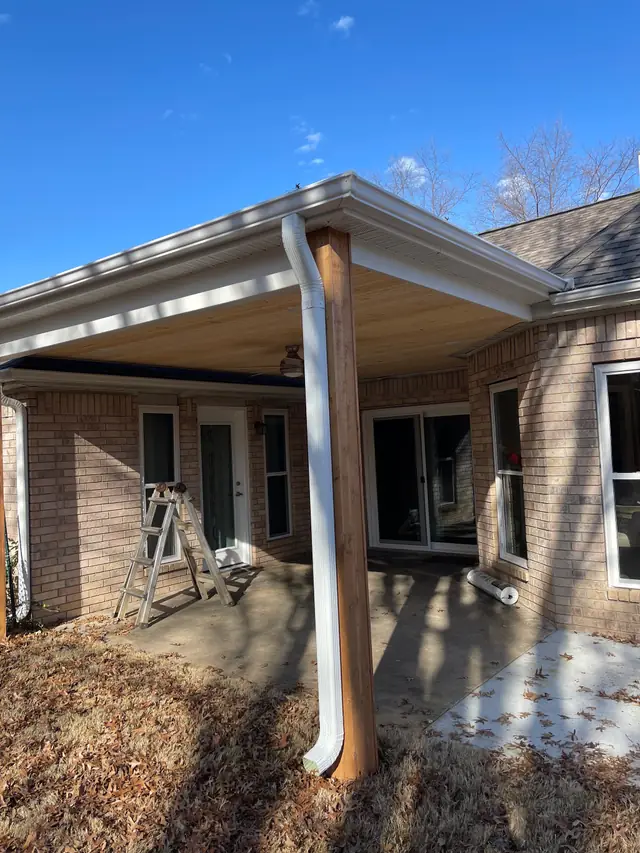
Nobody thinks about the roof until water shows up inside the house. By then the leak has usually been developing for a while, soaking insulation and decking on its way down. A simple routine, repeated through the year, moves that discovery from the ceiling to the checklist. None of it requires climbing anything, and most of it takes less time than a trip to the hardware store.
What should a roof maintenance checklist include?
Keep the list short enough that you will actually do it. These checks cover the places where leaks begin.
- Scan the roof surface from the ground with binoculars for cracked, curled, lifted or missing shingles, or damaged metal panels.
- Look at the flashing around chimneys, vent pipes and skylights for gaps, rust or sealant that has dried and split.
- Clear gutters and downspouts, then run a hose to confirm water moves freely and leaves the roof edge.
- Follow the valleys, where two slopes meet, for debris, worn spots or granules collecting at the bottom.
- Check the attic with a flashlight for stains, damp insulation, daylight or a musty smell.
- Trim branches that overhang the roof or brush the surface in the wind.
- Inspect visible sealant and caulking around penetrations for cracks or gaps.
- Note any moss, algae or heavy debris, especially on shaded slopes.
- Book a professional inspection on a regular schedule and after any major hail or wind event.
How do the seasons change what you check?
Spring is for damage assessment. Winter and early storm season leave their marks, so check the surface for lifted shingles, look inside for new stains and clear the gutters of what the cold months dropped. This is also a good time to trim branches before summer growth pushes them closer.
Summer heat is hard on roofing and on attic air. Confirm the vents are open and unblocked so hot air can leave, and look at the underside of the deck for signs that moisture is getting trapped. After any thunderstorm, take a quick walk around the house and glance up.
Fall is the most important cleanup. Once the leaves are down, clear every gutter and downspout, check the valleys and remove debris that has piled against chimneys or walls. Water that cannot drain in a late-autumn rain has nowhere to go but under the roofing.
Winter is about watching. Check the attic after a hard freeze or a heavy rain for damp spots, and look at the eaves for icicles or staining that suggest water is backing up. Do not chip ice off a roof yourself. If ice or fallen limbs are pressing on the roof, that is a call for a professional.
Why do gutters and flashing get so much attention?
Because they are where water is supposed to be managed. Gutters carry water off the roof and away from the walls. When they clog, water spills over the edge or backs up under the first row of roofing, where it soaks the fascia and the decking beneath it. Flashing does the opposite job, sealing the joints where the roof meets something else. Every chimney, vent pipe and skylight is a joint, and joints are where sealant ages and metal loosens.
That is why most leaks trace back to the edges and the penetrations rather than the open field of the roof. If you can only do two things on the checklist, clear the gutters and look at the flashing.
What should you do about a leak you find?
First, protect the inside. Move furniture, set out a bucket and, if water is dripping through a light fixture, turn off the power to that circuit. Photograph the stain with a date so you have a record. Then look for the source, keeping in mind that water often travels along rafters and shows up well away from the actual opening.
Resist the urge to seal a spot with caulk from a tube and call it fixed. A dab of sealant can hide the symptom for a season while the real cause keeps working. A roofer traces the leak back to its origin and repairs that.
When is it time to call a roofer?
- A leak or stain that returns after a repair.
- A sagging or uneven roof line.
- Large areas of missing, cracked or curling shingles.
- Mold, rot or damp insulation in the attic.
- Any roof that has taken a hit from hail or a windstorm.
If any of those describe your roof, call Iron Shield at (479) 337-4766. Iron Shield serves Northwest Arkansas with roof inspections, repairs and maintenance, and estimates are free.
Iron Shield Roofing & Restoration, (479) 337-4766
Call (479) 337-4766More articles
How to Inspect Your Roof for Winter Damage
You can spot most winter roof damage without leaving the ground, if you know what to look for and where.
Step-by-Step Guide to Preventing Ice Dams on Your Roof
Most ice dams trace back to heat escaping into the attic, which means the best fixes happen inside the house.